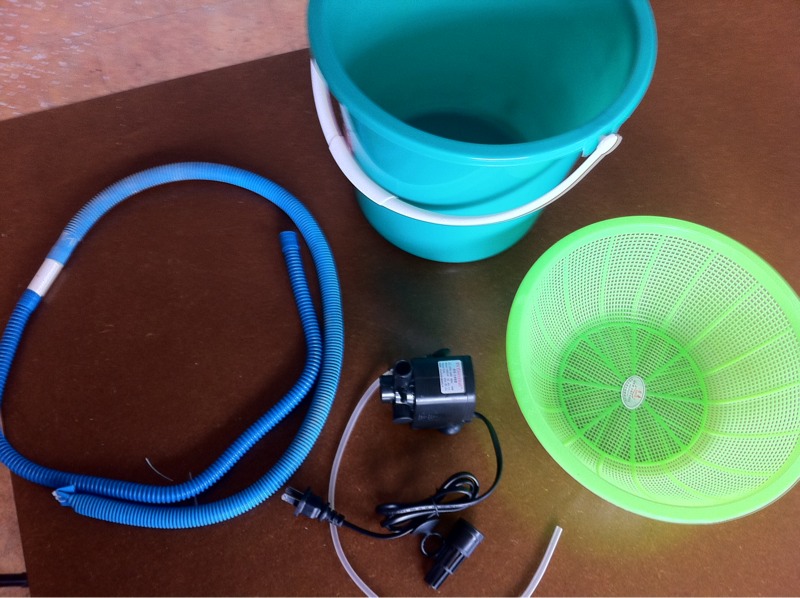
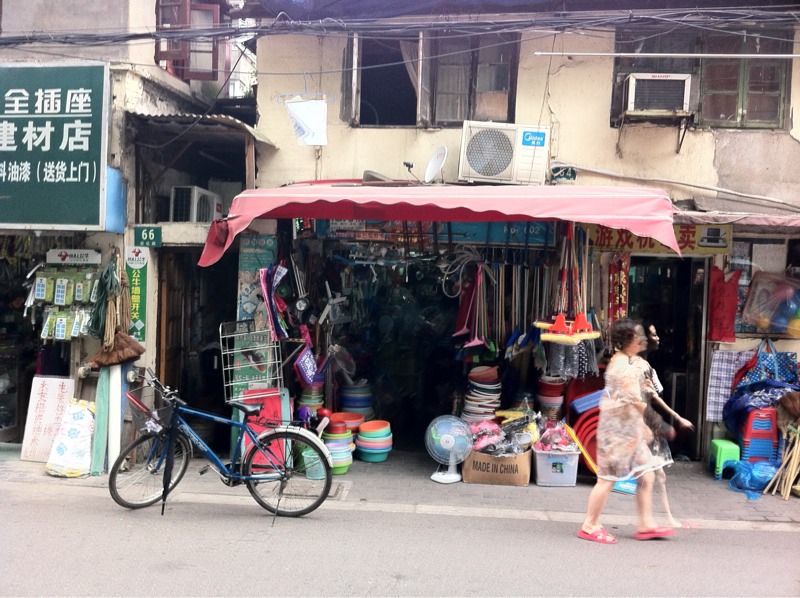
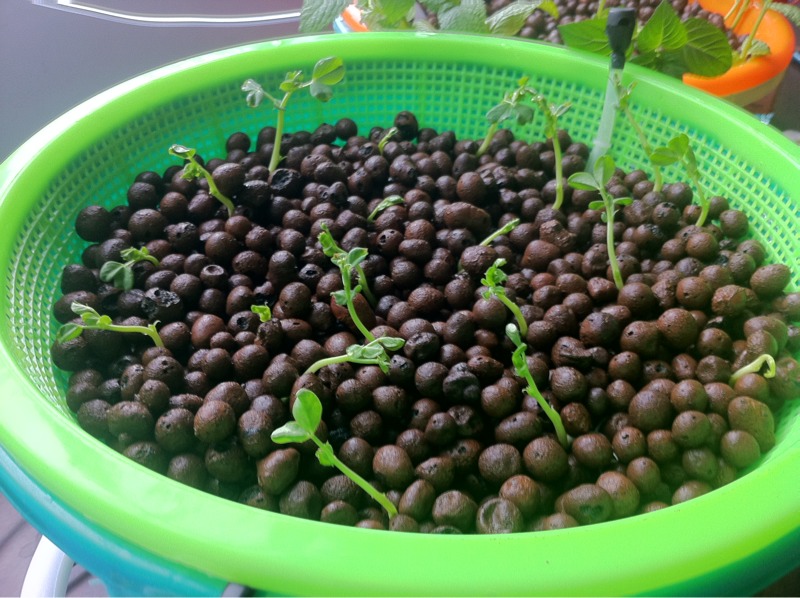
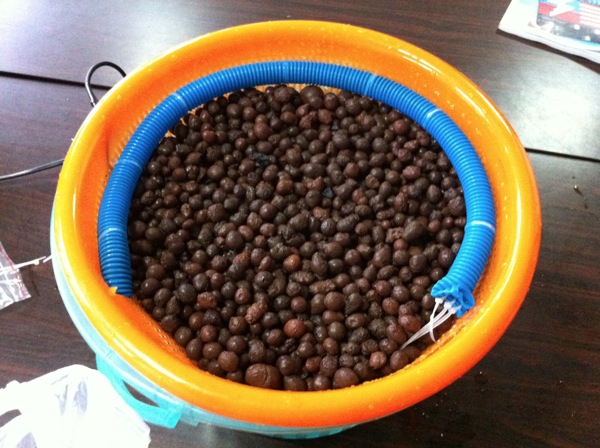
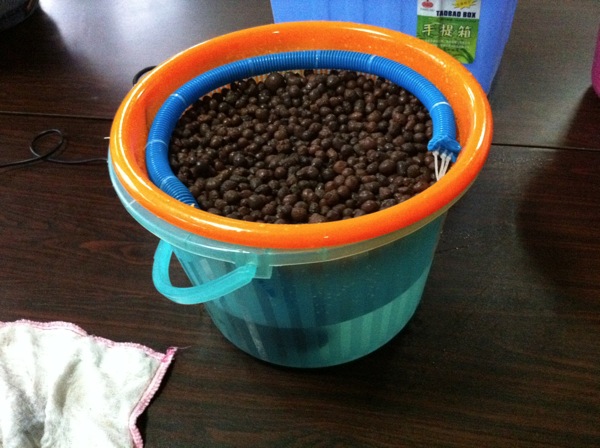
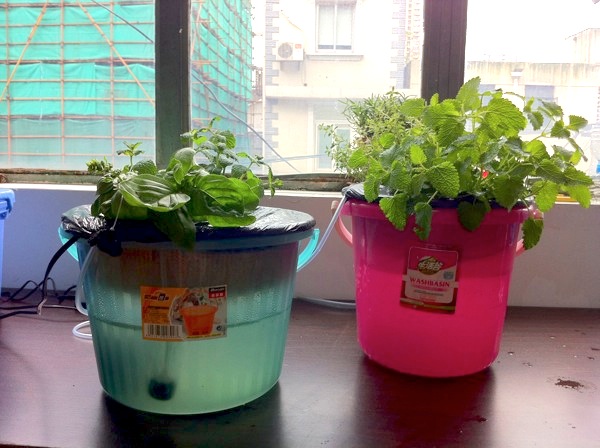
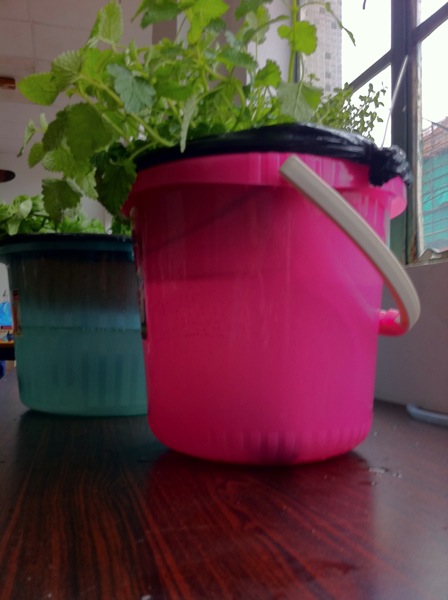
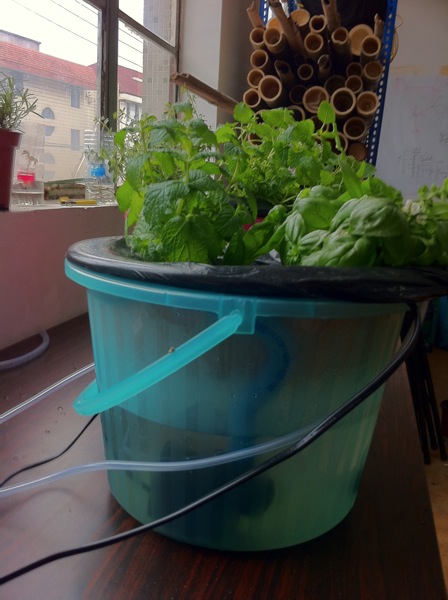
在空间门口的街上找到这些材料。

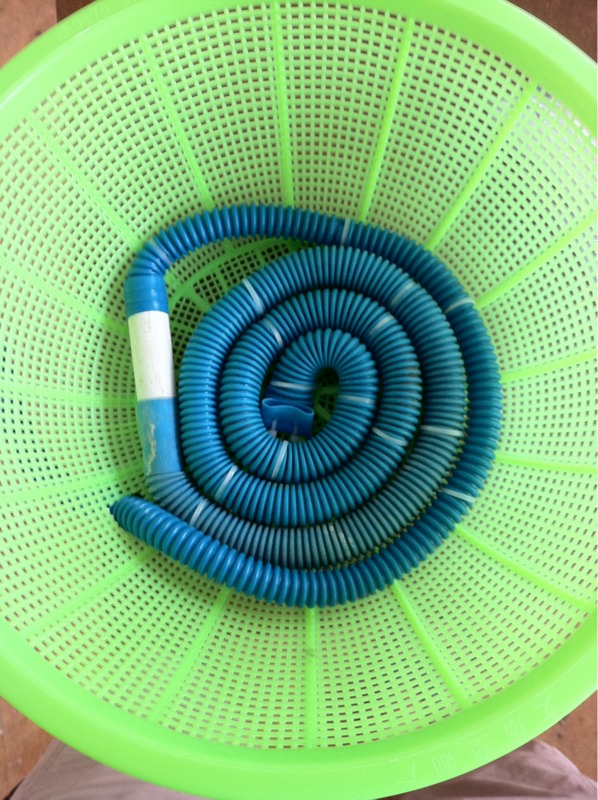
把水管盘起来固定在底部。
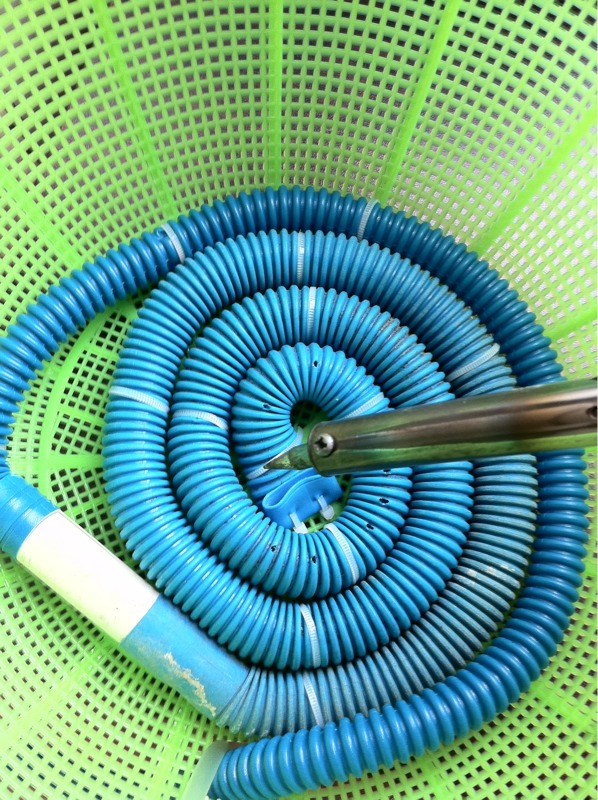
烙铁用来在水管上钻洞。
June 25th, 2011 § 1 comment § permalink
在空间门口的街上找到这些材料。
June 20th, 2011 § 0 comments § permalink
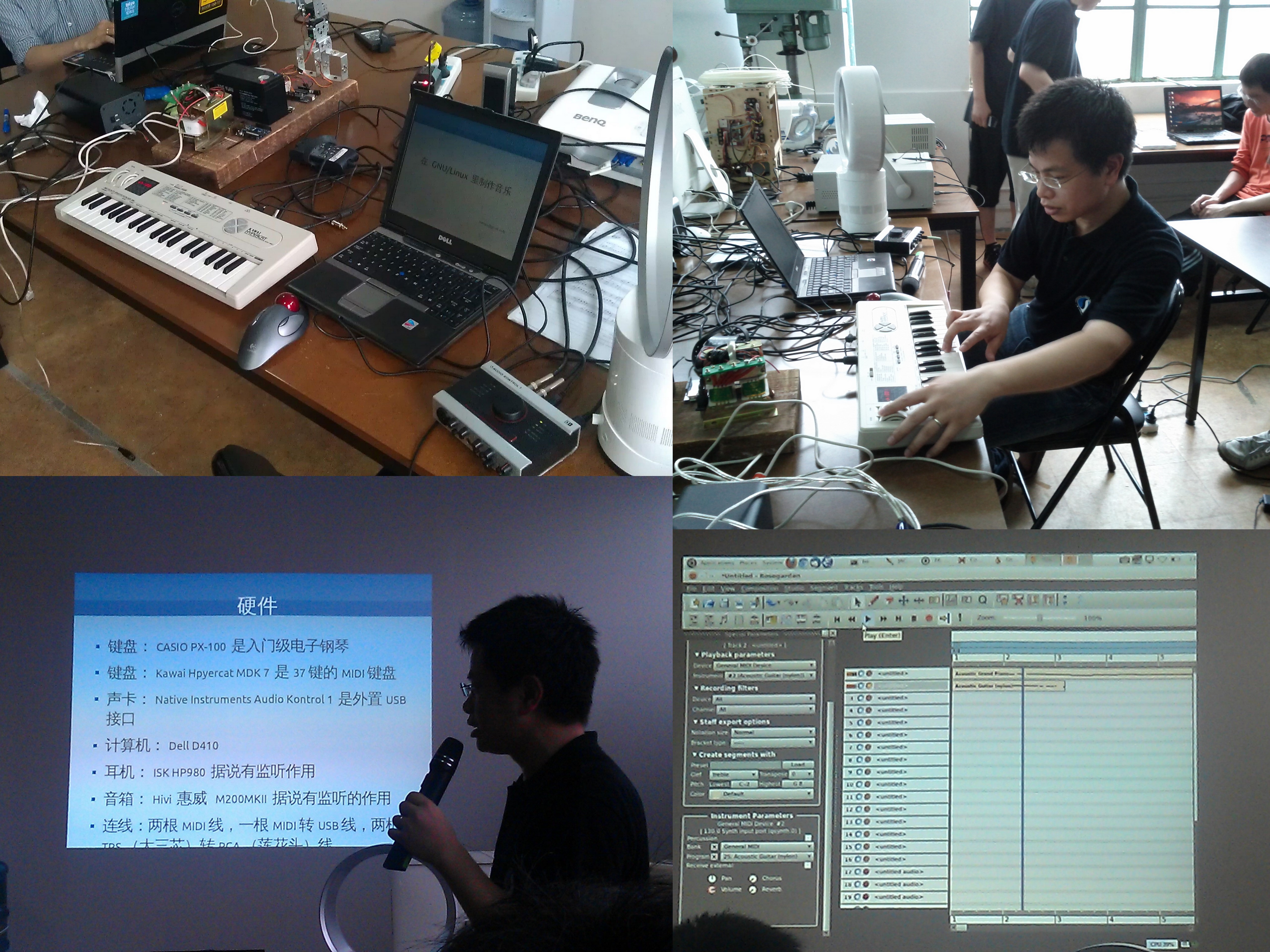
如何在GNU/Linux里做音乐
 ]]>
]]>
June 19th, 2011 § 0 comments § permalink
June 18th, 2011 § 5 comments § permalink
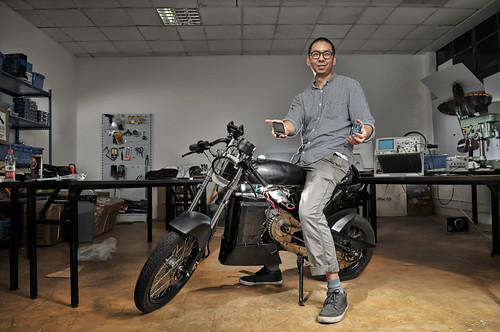
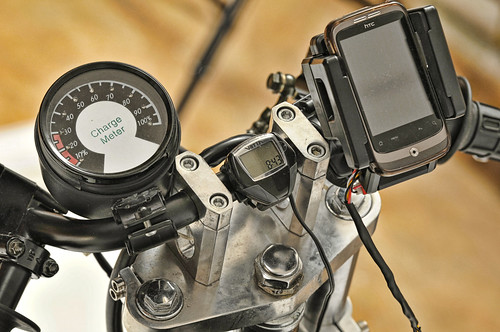
We are really happy to have the opportunities in hosting the Rudy Bike in the past few weeks so they can finish the bike for the Demo Day. Rudy Bike is a cool looking electric bike controlled by Arduino and Android.


June 8th, 2011 § 1 comment § permalink
Android Open Accessory Development Kit.
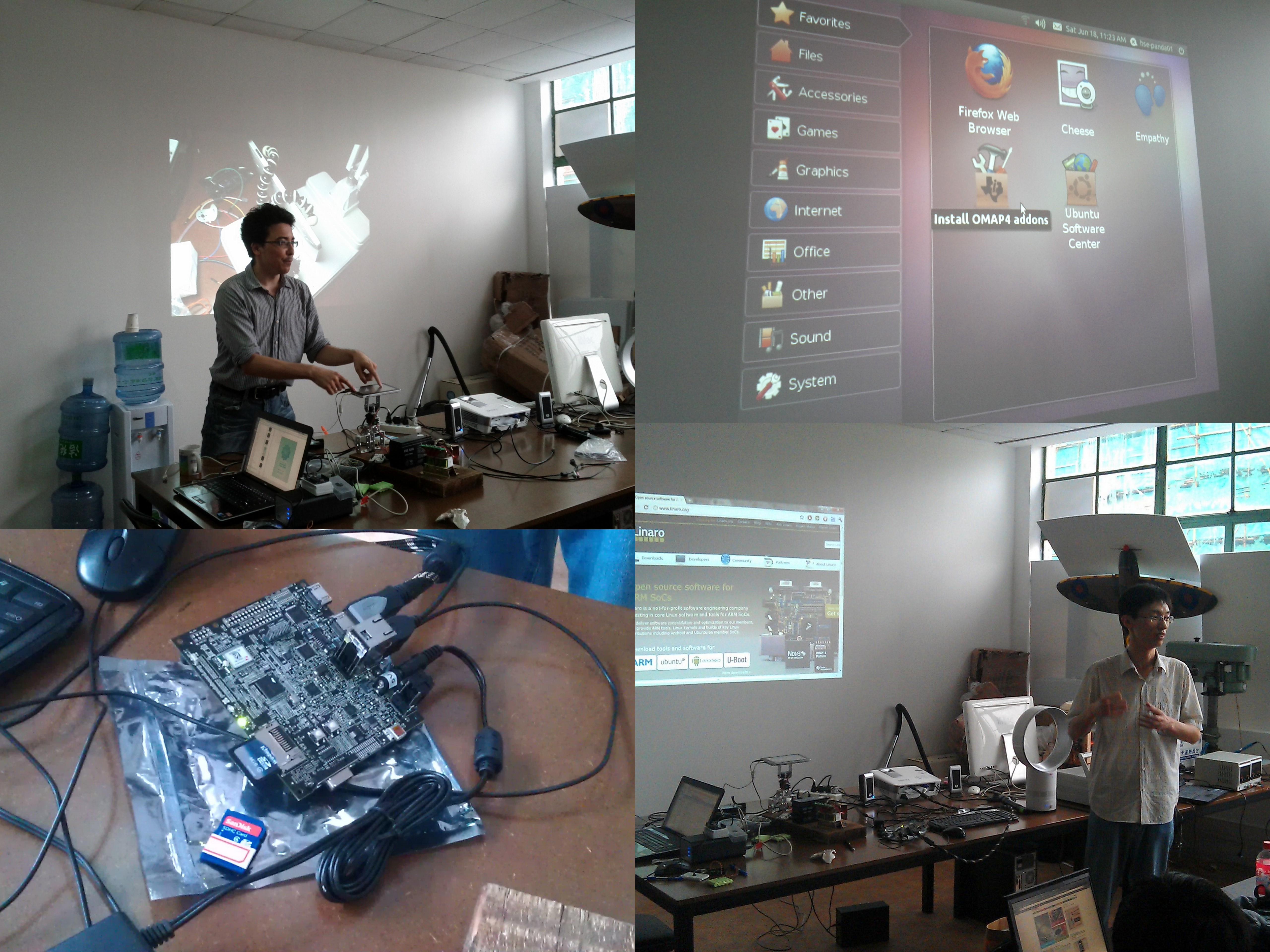
Android3.1平台(也向下移植到了Android2.3.4)引进了Android Open Accessory support,这使得外部USB硬件(An Android USB accessory)能够与Android设备在一个特殊的“accessory”模式下互相通信。当一个Android设备在这个accessory模式下时,接入的硬件作为一个USB host(为总线供电以及枚举设备),而Android设备作为一个USB设备来使用。Android USB附件是特别设计的,用以附加在支持Android平台的硬件设备上并且遵守一个简单的附件协议(Android accessory protocol)使他们能够侦测支持附件模式的Android硬件设备。工作坊是每周举行的(目前是英语教学)。我们将探索包括开发Android软件部分和单片机部分,涉及到的方面包括机器人的机械,电子以及软件工程学。 特别的,我们将一起研究那些兼容ADK的硬件开发板,比如Google IOIO board和Seeedstudio提供的新硬件。 付费的新车间会员可以免费参加。非会员需要支付50元/次。 更多的信息请查看“Android & Robots” wiki. 不要忘了做好准备工作以及加入我们的[email protected] mailing list!注意,这是一个需要大家合作的讨论会,我们希望每个人都能积极的参与和贡献自己的力量。


June 4th, 2011 § 3 comments § permalink
REQUEST FOR INFORMATION (RFI) 100 YEAR STARSHIP™ STUDY” The research and work required to build such a starship will itself take decades to answer the challenges of interstellar travel. So the question is: what is the organization best suited to host this research while maximizing the benefits to humanity? It seems obvious that the nascent movement of technology-oriented communities that are hackerspaces is the best way to host that kind of research and to make sure that the positive results of that research is made available to all. This is why, 24 hours before the deadline, we solicited hackerspaces around the world to join in a response to the Request For Information. The result in itself speaks to the power of our global community; in that extremely short laps of time, we were able to write up collaboratively and submit an answer suggesting a Global Hackerspaces Consortium. The document is the result of the joint editing efforts of five different hackerspaces from Melbourne, Shanghai, San Francisco, Brooklyn and Maui. If we are asked to submit a proposal to a Request For Proposal, we expect to have a lot more hackerspaces join us in taking up this challenge. Although our participation to this is a long shot, this is clearly a demonstration that as the hackerspace movement grows, we can expect our scope and impact to increase. Read our answer to the RFI here: Global Hackerspaces Consortium and the 100 YEAR STARSHIP STUDY.]]>
June 3rd, 2011 § 1 comment § permalink
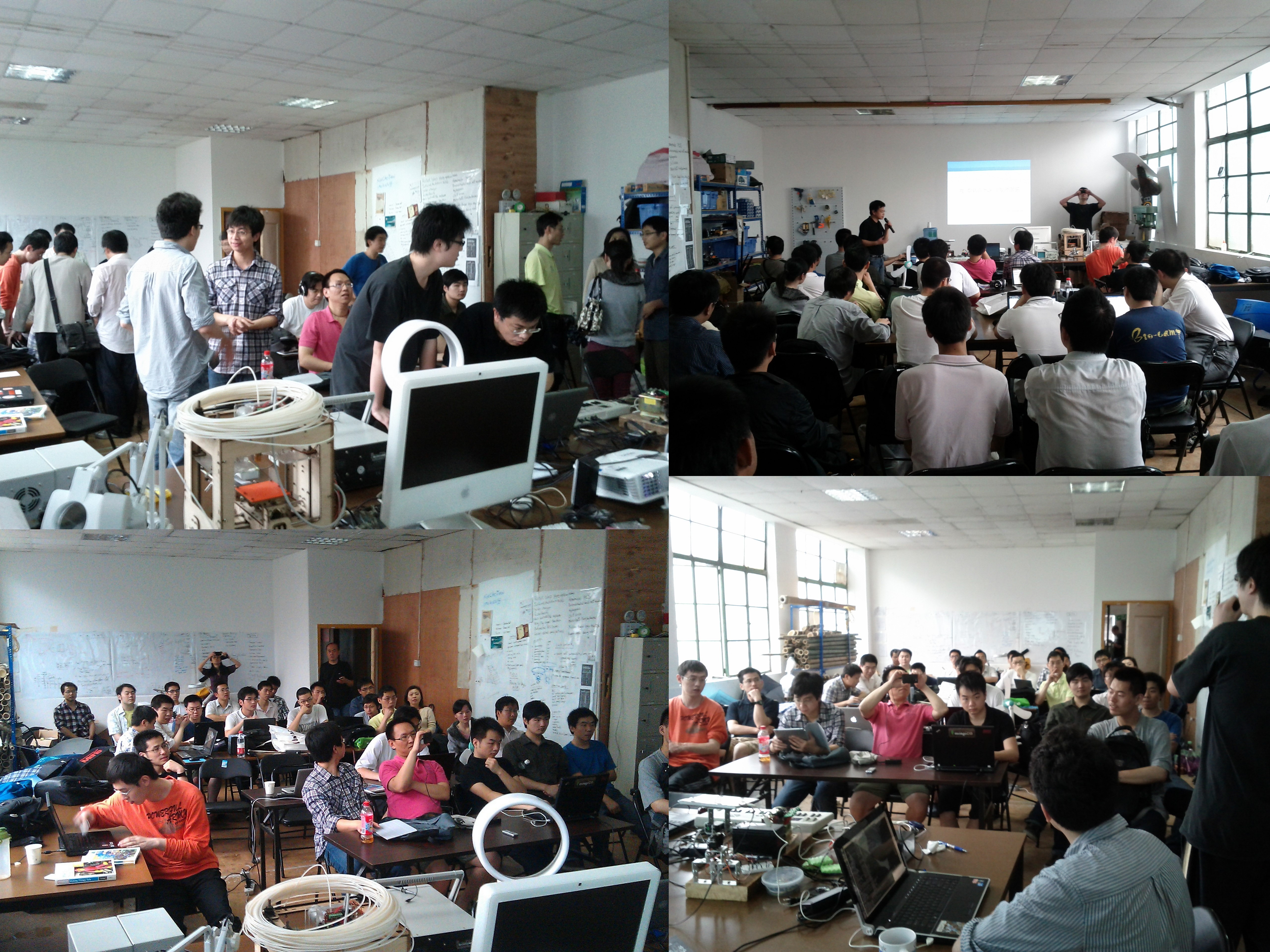
XinCheJian is proud to host Dorkbot Shangahi #4 on Sunday May 29th. Dorkbot is a group of affiliated organizations worldwide that sponsor grassroots meetings of artists, engineers, designers, scientists, inventors, and anyone else working under the very broad umbrella of electronic art. The dorkbot motto is “people doing strange things with electricity”.
There were 4 artists who presented their work:
Wu Juehui // Juehui is a New Media Artist. In recent years, Wu Juehui operates on the potential interface between art and science, between body and media in close collaboration with research institutes for neural engineering, automatic control and computer graphics.


Harald Haraldsson // Harald is the founder of Wonwei and presented some of their latest work, he also talked about how creative coding can be applied to computational design.


Wang Changcun // Media artist based in Hangzhou, with works exhibited in China, France, Netherlands and Belgium. He talked about his creative process using Max/MSP, Processing, and Flash.


Jingni Wang // Media artist based in Shanghai. She graduated from China Academy of Art, Intermedia Art Department and has completed artist residencies in Netherlands, Belgium, and China. Jingni Wang presented her wearable computing project called Lover’s Instrument. She also talked about social sustainability.


More pictures

 ]]>
]]>